Landlord insurance isn't legally required in Australia, but most self-managing landlords carry it anyway — it's built specifically for risks a standard home and contents policy doesn't touch. Here's what it actually does, in plain terms: what's covered, what isn't, what a claim actually looks like, and what you can do to keep the premium down.
What it covers
- The building and your fixtures. Structural damage from fire, storm, and flood, plus carpets, blinds, and any appliances you own — covered against the usual disasters and against tenant-caused damage and theft.
- Loss of rent. If a tenant stops paying or the property becomes unliveable after an insured event, most policies cover a set period of lost rental income.
- Liability. If someone is injured on the property and holds you responsible, public liability cover typically runs $10–30 million.
- Legal costs. Many policies include cover for tribunal or eviction-related legal expenses.
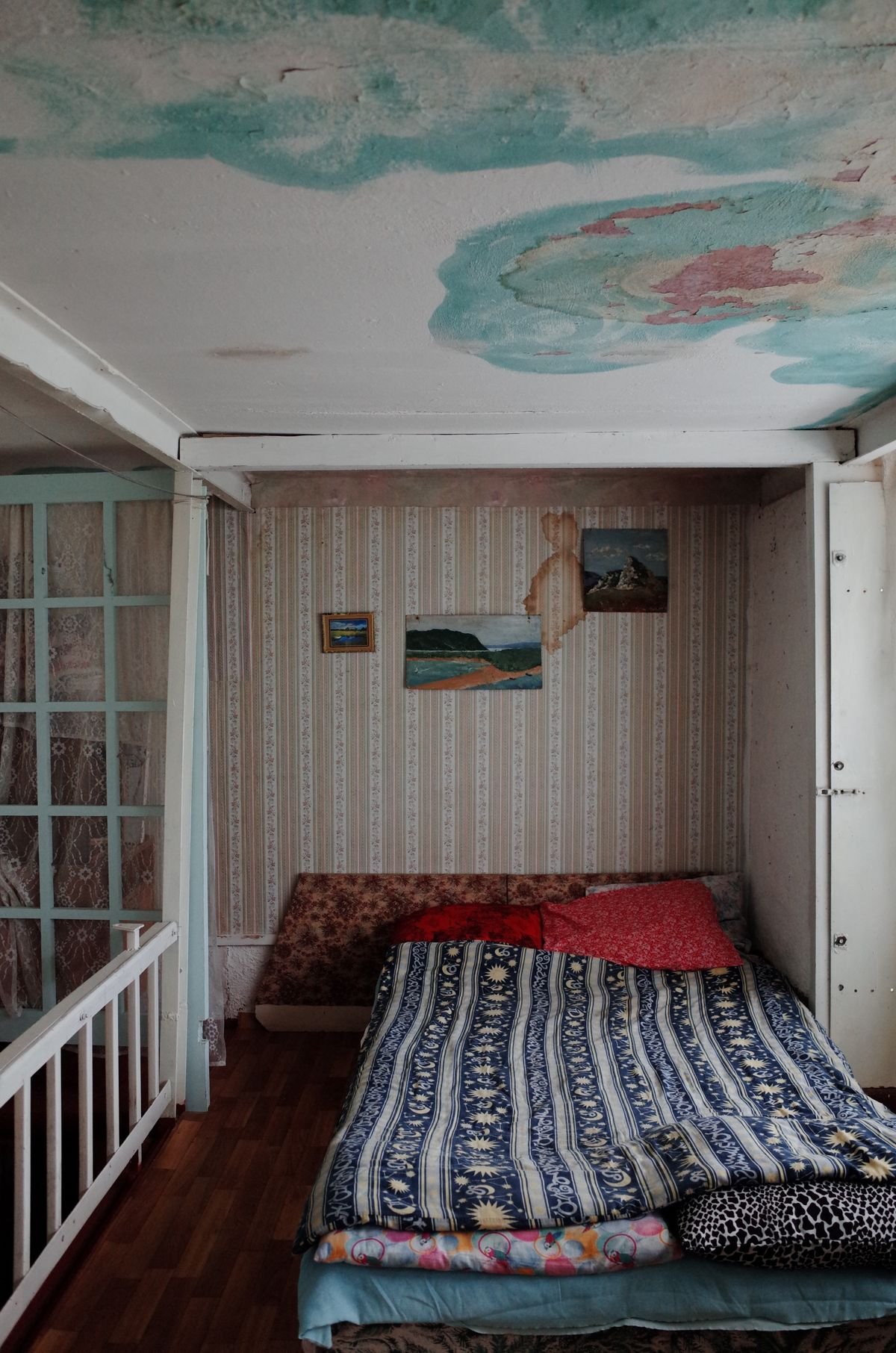
Sudden water damage — like a burst pipe or a storm-damaged roof — is a textbook example of what landlord insurance is designed to pay out for.
What it doesn't cover
The tenant's own belongings — furniture, electronics, clothing — aren't covered by your policy. That's on the tenant to insure separately, and it's worth mentioning on move-in day so it isn't a surprise later. Beyond that, a handful of exclusions catch landlords out more often than people expect:
- General wear and tear. Fading paint, worn carpet, an appliance that dies of old age — insurers treat this as an ordinary cost of owning the property, not an insurable event.
- Damage from deferred maintenance. Mould, rot, or a pest infestation traced back to a leaking shower or blocked gutter you knew about (or should have) usually isn't covered — the logic being it was preventable, not sudden.
- Extended vacancy. Many policies reduce or drop cover once a property has sat empty beyond 30–60 days, so a long stretch between tenants is worth flagging to your insurer.
- Imminent or already-unfolding events. You can't take out cover — or get a payout — for a flood that's already rising or a bushfire that's already broken out. Insurers apply a sales embargo the moment a specific event becomes a known, immediate risk.
How a claim actually works
When you lodge a claim, the insurer checks three things: whether the event itself is covered, whether you held up your end of the policy (routine inspections, a proper tenancy agreement in place), and whether your documentation stands up — photos, dates, repair quotes, the condition report from move-in day. An assessor may inspect the property in person or ask for more evidence before anything is approved. If it is, you'll either get a cash settlement or the insurer arranges repairs directly through its own contractors.
A straightforward claim — a burst pipe, a break-in — often settles in two to four weeks. Anything more complex, or anything contested, can run to several months. The single biggest reason claims get knocked back isn't a technicality; it's simply thin evidence, or the damage turning out to be wear and tear once an assessor looks at it. A property you already inspect and photograph regularly (which SkiptheAgent's inspection feature is built for) puts you in a materially stronger position if you ever need to make one.
How to keep the premium down
- Take a higher excess. A larger excess lowers your premium — just make sure it's an amount you could actually cover if you needed to claim.
- Install basic security. Alarms, cameras, and deadbolts signal lower risk to an insurer and can shave money off a quote.
- Get more than one quote. Insurers price risk differently. Comparing two or three before renewing is the single highest-leverage thing you can do here.
- Ask about bundling and loyalty discounts. Combining building and landlord cover, or signing up online, commonly unlocks a 5–15% discount — and a clean claims history builds toward a further no-claims discount over time.
- Actually maintain the property. Insurers factor maintenance history into risk. Staying on top of small repairs is cheaper than the claim you'd otherwise eventually make — and it's also just good practice regardless of insurance.
What it costs
Premiums vary a lot by property and location. Comparison sites put typical annual premiums somewhere between $800 and $2,500 for a standard house or apartment, trending higher in flood-prone areas and in Queensland and New South Wales specifically versus Tasmania or Western Australia. Get a quote for your actual property rather than budgeting off a national average — the spread is wide enough that it's not a reliable guide on its own.
Bottom line
It's optional, but for most landlords the annual cost is small relative to what one bad tenant, one burst pipe, or one storm could otherwise cost you outright — and the claims that actually get paid are the ones backed by documentation you were probably keeping anyway.